


Table of Contents
Why is Rolex not one of "The Big Three" of Watches Market
2025-12-19
If you ask 100 people to name a famous watch brand, almost everyone will mention Rolex in the top three, and Rolex is likely the most frequently mentioned brand. So the question arises: why isn't Rolex considered one of the "Big Three" of the Swiss watchmaking industry?
Returning to the world of watches, choosing the top three brands from among the vast array of watch brands is truly difficult, as each has its own supporters. However, the three brands generally recognized are Patek Philippe, Vacheron Constantin, and Audemars Piguet. A watch enthusiast on the American watch website HODINKEE asked why Rolex, currently the most well-known luxury watch brand, isn't included in the ranking of the top three. Here are some possible reasons…
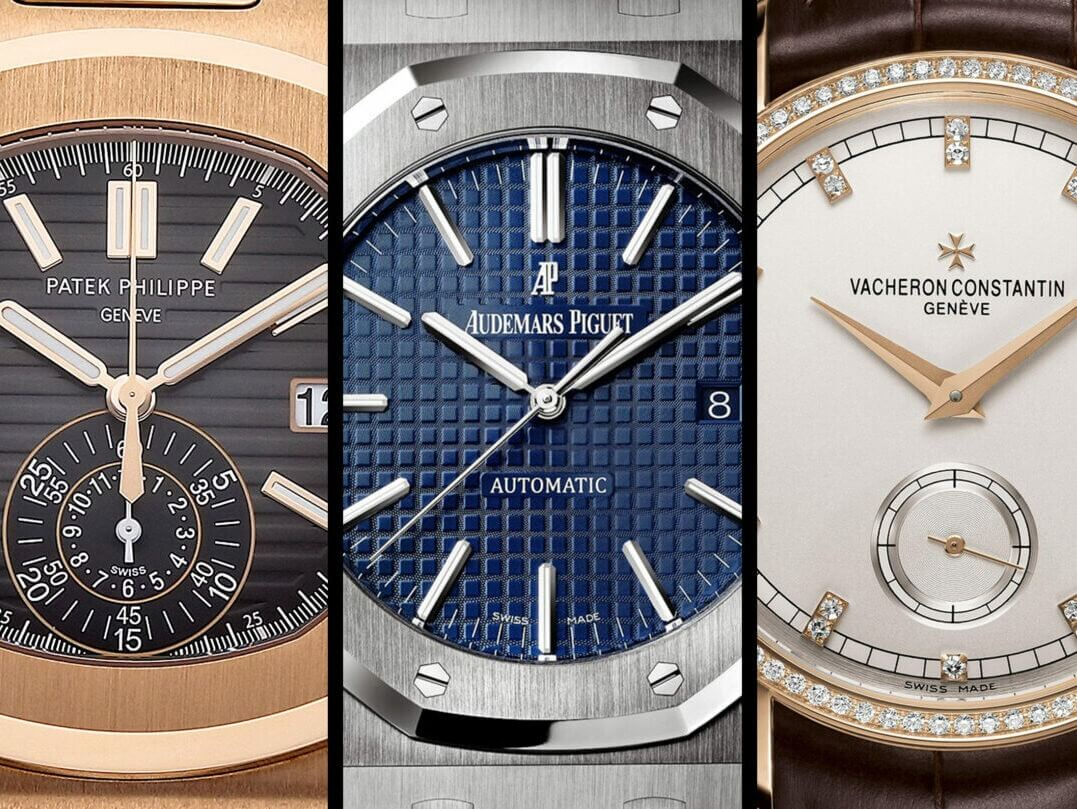
Firstly, to be considered one of the top three, a brand must possess sufficient historical depth. Patek Philippe was founded in Switzerland in 1839, Vacheron Constantin in 1755, and Audemars Piguet in 1875. All three brands have histories spanning over a century. However, calling them the "Big Three" watch brands solely based on this is somewhat of a stretch. Many brands were also founded in the 18th and 19th centuries, such as Blancpain (1735), Breguet (1775), and A. Lange & Söhne (1845), all over 100 years old. While their history may have been interrupted by changes in ownership or production halts—for example, Breguet changed hands to the Browns family in 1870, was sold to the French jewelry brand CHAUMET in 1970, and wasn't acquired by Swatch until 1999—Blake also experienced a period of decline during the quartz crisis of the 1970s, only to be revived in 1983 by Jean-Claude Biver, then CEO of Omega, and subsequently acquired by the Swatch Group in 1992.
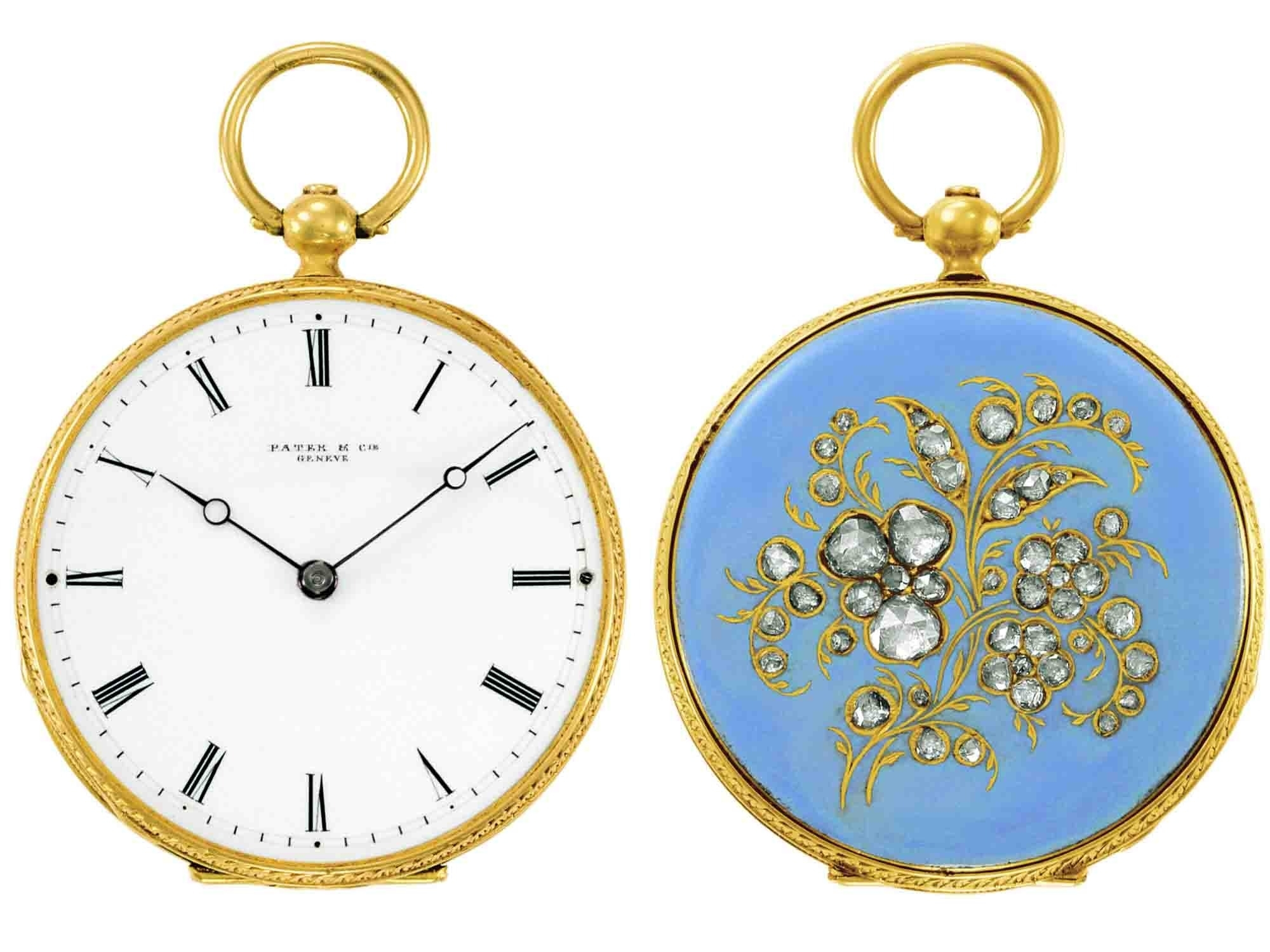
The Patek Philippe pocket watch purchased by Queen Victoria at the 1851 London World's Fair doesn't fit the "Big Three" watch brands based on founding years. Let's look at their watchmaking techniques. First, let's look at Patek Philippe. "Heirloom" is its primary impression, a symbol of aristocracy, thanks to Queen Victoria of England. At the 1851 Great Exhibition in London, she purchased a Patek Philippe pocket watch with an enamel blue gold cover, diamond roses, and a pendant suspended from a brooch set with 13 diamonds—a truly magnificent piece. Her husband also bought a Patek Philippe hunting watch. The fact that two of the world's most powerful figures chose Patek Philippe solidified the brand's image as the king of watches.
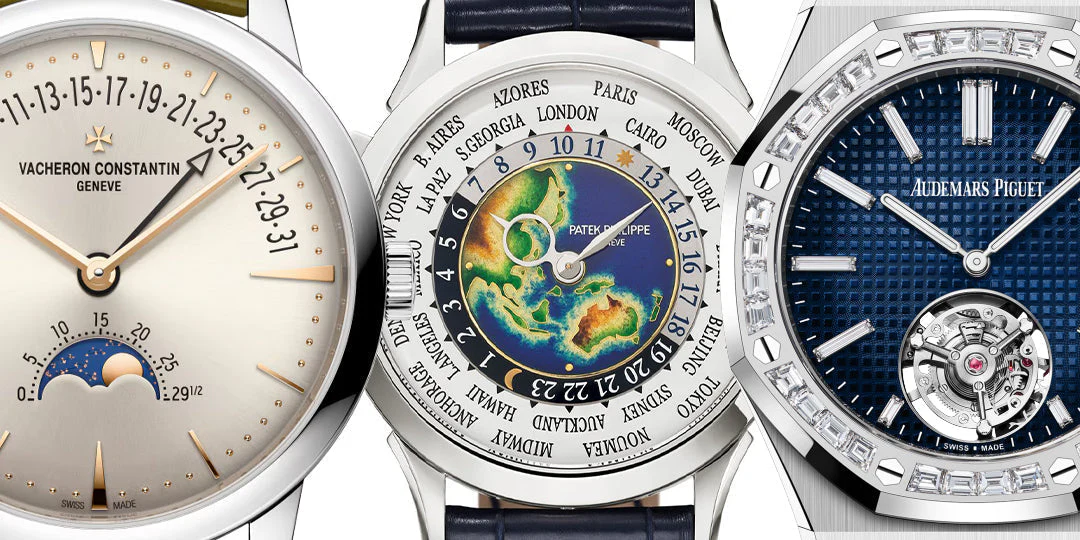
Secondly, these three major watch brands have always focused on creating high-end luxury timepieces. While each brand differs slightly in some aspects, their movements are all meticulously hand-finished using traditional watchmaking techniques and craftsmanship. Of course, these brands use the finest materials for every component of their watches—the case, dial, hands, and even those unseen parts.
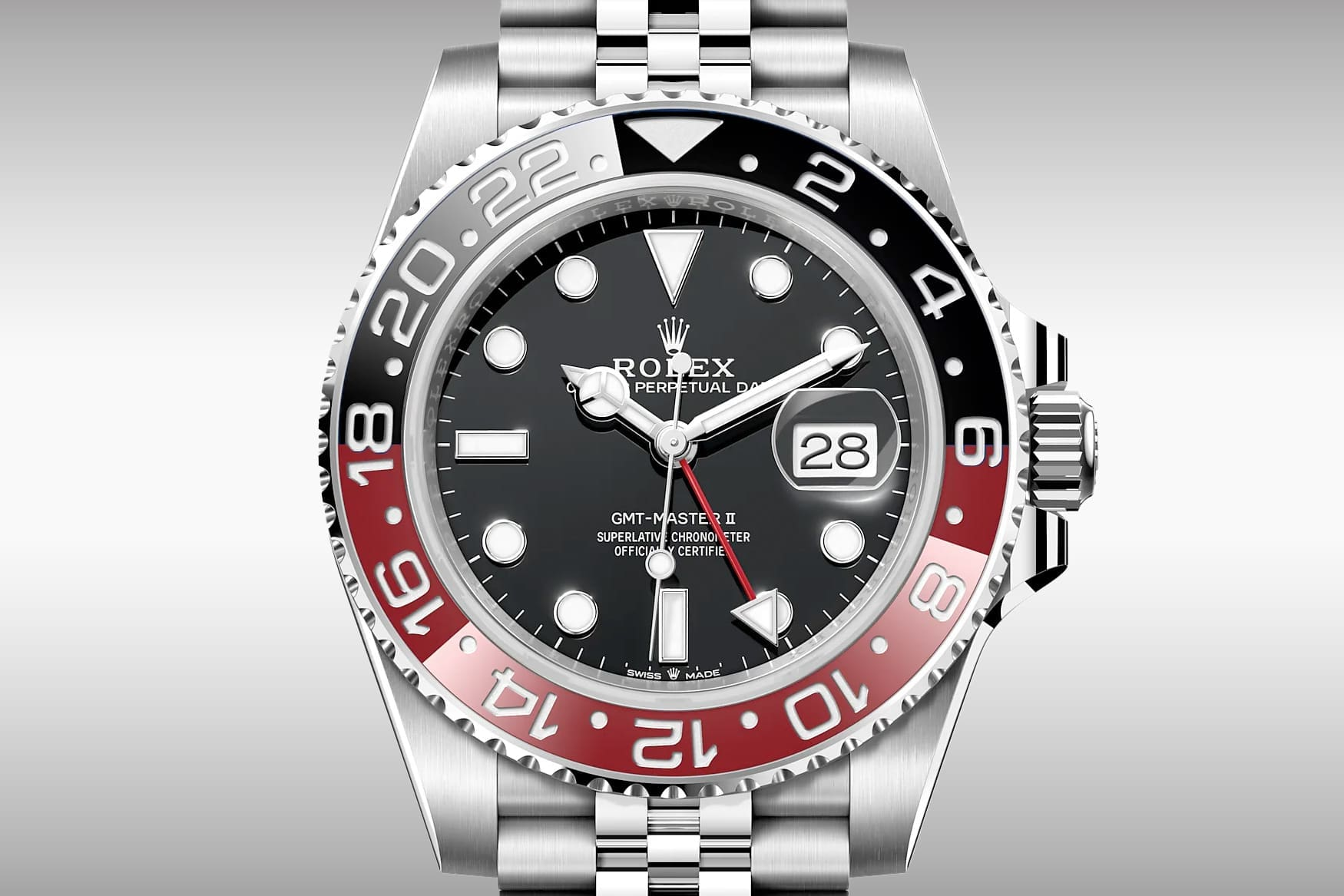
When we examine Rolex, we find that it has never become a high-end manufacturer like the other brands. In fact, it has never deliberately pursued this goal. Since its inception, Rolex has focused on creating exceptionally reliable, robust, and high-quality watches, without overemphasizing high-end craftsmanship and finishes like the three major brands. Rolex doesn't pride itself on producing complicated watches, but rather improves the performance of its existing products through continuous refinement. These improvements typically aim to enhance the reliability and accuracy of its basic chronograph and calendar watches.
This leads to Rolex's core business. Rolex has never ventured into the high-end watch market, nor has it ever attempted to become a high-end watch manufacturer. Since its founding in Wilsdorf, Rolex's core business has been creating robust, reliable, and high-quality watches, not pursuing the meticulous finishing of high-end timepieces. Aside from the occasional split-seconds chronograph, Rolex has never produced or sold any complicated watches; instead, it has consistently focused on steadily improving the reliability and accuracy of its basic chronographs.
Summary
This does not mean that Rolex should not be considered one of the finest and most iconic luxury watch brands. In fact, Rolex has always been recognized as one of the most important watchmakers. They are highly regarded for their exquisite craftsmanship, superior materials, and advancements in reliability and functionality. Therefore, don't assume that brands outside the "Big Three" cannot produce excellent timepieces; Rolex is certainly not an isolated case.
If we were to discuss Rolex's watchmaking process and milestones, they would undoubtedly be among the best in the watch industry. This includes the fact that most of their watch parts are manufactured in-house, they undergo extremely rigorous testing, such as water resistance, timekeeping accuracy (within ±2 seconds per day), manufacturing efficiency, the scale of their research and development laboratories, and the endorsement and passion of numerous celebrities and the wealthy. Even if it weren't listed among the "Big Three," its status and popularity in the watch world would be beyond question.
ReviewsNumber of comments: {{ page.total }}
I want to comment?
{{item.nickname ? (item.nickname.slice(0, 2) + '*****') : item.source === 1 ? 'mall buyer' : '--'}}
{{item.comment_time}}
Review in the {{item.country}}
Reviews
Merchant
{{replyItem.nickname ? (replyItem.nickname.slice(0, 2) + '*****') : replyItem.source === 1 ? 'mall buyer' : '--'}}
{{replyItem.parent_nickname ? (replyItem.parent_nickname.slice(0, 2) + '*****') : '--'}}
{{replyItem.is_merchant_reply === 1 ? replyItem.reply_time : replyItem.comment_time}}
Review in the {{replyItem.country}}
Reviews

No customer reviews
ReviewsNumber of comments: {{ page.total }}
I want to comment?
{{item.nickname ? (item.nickname.slice(0, 2) + '*****') : item.source === 1 ? 'mall buyer' : '--'}}
{{item.comment_time}}
Review in the {{item.country}}
Reviews
Merchant
{{replyItem.nickname ? (replyItem.nickname.slice(0, 2) + '*****') : replyItem.source === 1 ? 'mall buyer' : '--'}}
{{replyItem.parent_nickname ? (replyItem.parent_nickname.slice(0, 2) + '*****') : '--'}}
{{replyItem.is_merchant_reply === 1 ? replyItem.reply_time : replyItem.comment_time}}
Review in the {{replyItem.country}}
Reviews
No customer reviews
Recommended for You
Get in touch with us
Resources