


Table of Contents
How To Maintain Your Watch In Winter
2025-12-19
How to Care for Your Watch This Winter: Tips for Keeping It in Perfect Condition
The cold winter is here, and even bundled up against the biting wind, it's still hard to escape its chill. Watch wearers need to take note during this cold season. Today, we'll discuss some important things to keep in mind when caring for your watch in winter:
Winter Maintenance Precautions:
1. Water and Steam Protection
2. Freeze Protection
3. Beware of Fogging
4. Protect Your Watch from Magnetism
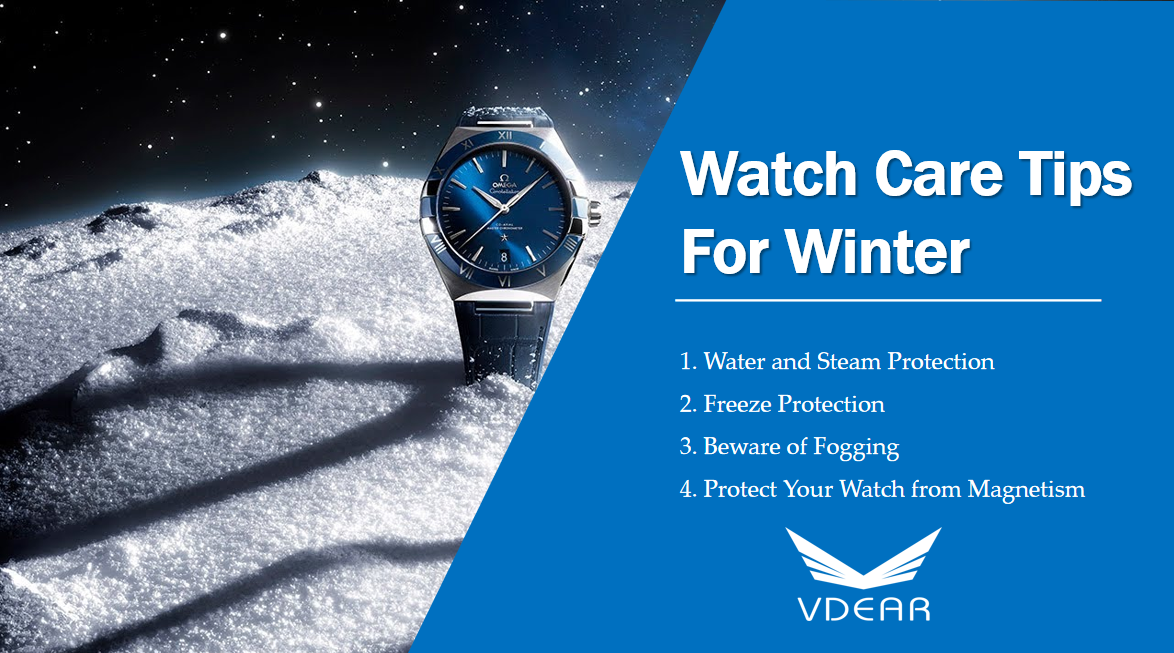
1. Water and Steam Protection
Water damage to a watch is a serious problem, so water resistance is crucial at all times. While winter doesn't see as much water as summer, a heavy snowfall or rain can still cause water to enter your watch. Therefore, even in winter, pay attention to your watch's water resistance. 30 meters/50 meters is considered water-resistant for everyday use, and this is generally sufficient unless you're in a special environment.
However, in rainy or snowy areas, it's recommended to choose a watch with a water resistance of 100 meters or higher. Furthermore, in the cold winter, many people like to take hot showers or saunas. Remember to remove your watch before using it, as no watch is resistant to steam. Even if the watch appears fine on the outside, water may have already entered the movement, causing damage.
2. Protect from Freeze in Winter
Just as we need to protect ourselves from the cold in winter, so do our watches. This is because in extremely low temperatures, the lubricating oil inside the watch may freeze, affecting its timekeeping. Whether you wear your watch or leave it at home, take measures to keep it warm if the temperature is very low. In southern regions where temperatures are often not too low, but humidity is high, you should still take precautions to protect your watch from water damage, even indoors.
3. Beware of Fogging on Your Watch
Fogging on the watch face is a very common phenomenon, especially in cold winters. If the watch is frequently exposed to environments with large temperature differences, fogging may occur frequently. Although it may disappear on its own, the watch has been in a "humid" environment for a long time, meaning water has entered. It's best to take it to a repair shop for inspection as soon as possible.
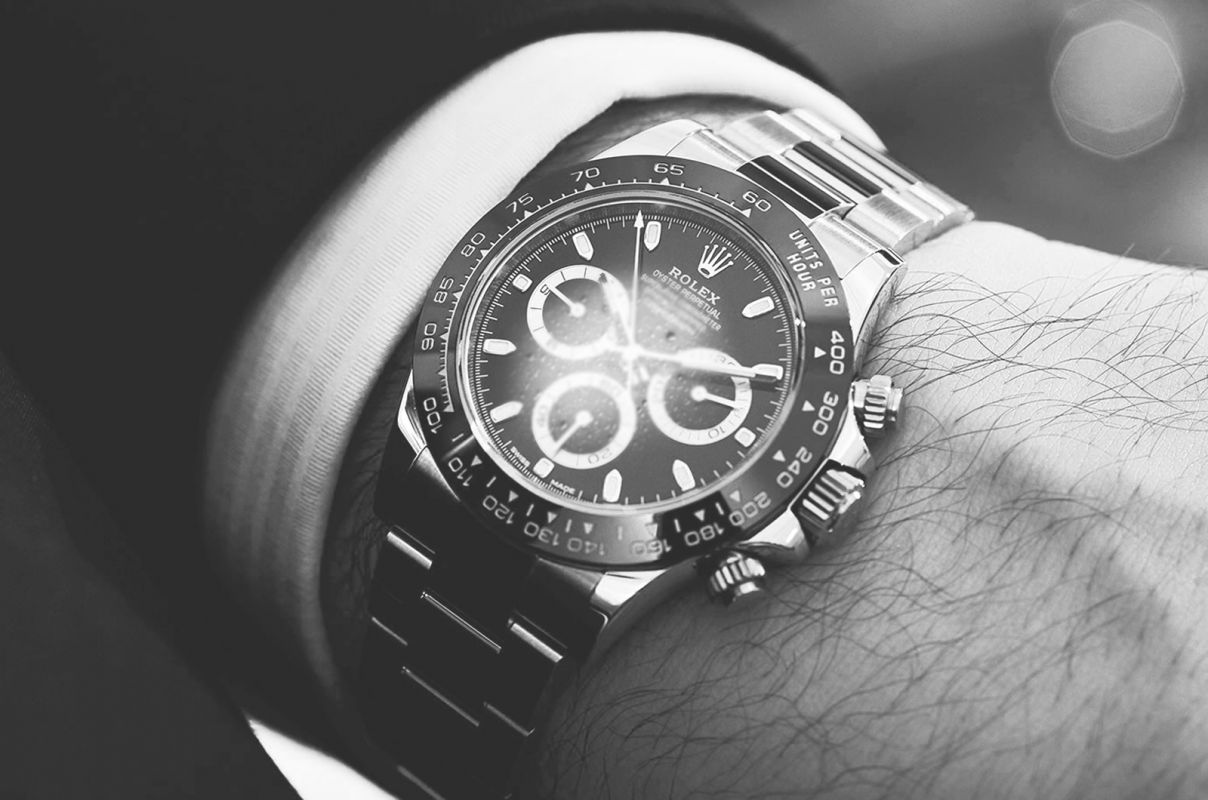
4. Beware of Watch Magnetism
In winter, people often like to hold a hot water bottle or use a heater to keep warm. However, they may not realize that prolonged contact with objects with strong magnetic fields, such as generators or motors, or placing the watch on a radio or television can magnetize it. This can cause the watch to become inaccurate or even stop running.
Winter Watch Care Guide
Before temperatures plummet on Long Island, it's best to pre-condition your watch to adapt to the cold weather. This preparation is quick and can prevent costly malfunctions later.
Start with a few practical steps:
1. Inspect your watch: Regardless of whether your watch has been recently serviced, fall is the best time to check the seals, gaskets, and overall functionality. If water gets inside during the winter, check it promptly.
2. Properly clean your watch: Removing skin oils, dirt, and other build-up can prevent damage. Pay attention to cleaning the gaps between metal bracelet links and the edges of the dial and bezel.
3. Care for leather straps: Use a leather conditioner to keep the strap supple and reduce the likelihood of it drying out or cracking in the dry winter air.
4. Check water resistance: Water resistance doesn't always mean your watch can handle snow or sleet. Carefully check the water resistance rating of your watch model; if unsure, have it tested by a jeweler.
5. Prevent worn or malfunctioning seals: For automatic watches, ensure the crown is tightened when closed. Even if a watch appears perfectly fine, a damaged seal may prevent it from being waterproof.
Taking the time to follow these steps will give you peace of mind and ensure your watch stays in good condition throughout the season.

Cultivate Smart Habits To Extend The Lifespan Of Your Watch Collection
During the cold winter months, watch care requires a little more attention, but no complete overhaul of your daily routine is necessary. From pre-season preparations to routine maintenance and safe storage, every step is crucial for the smooth operation of your timepiece.
Winter doesn't mean your beloved watch is at risk. With proper preparation, environmental awareness, and a few simple tools, you can confidently weather the cold winter. This way, your watch will be ready to accompany you no matter the weather.
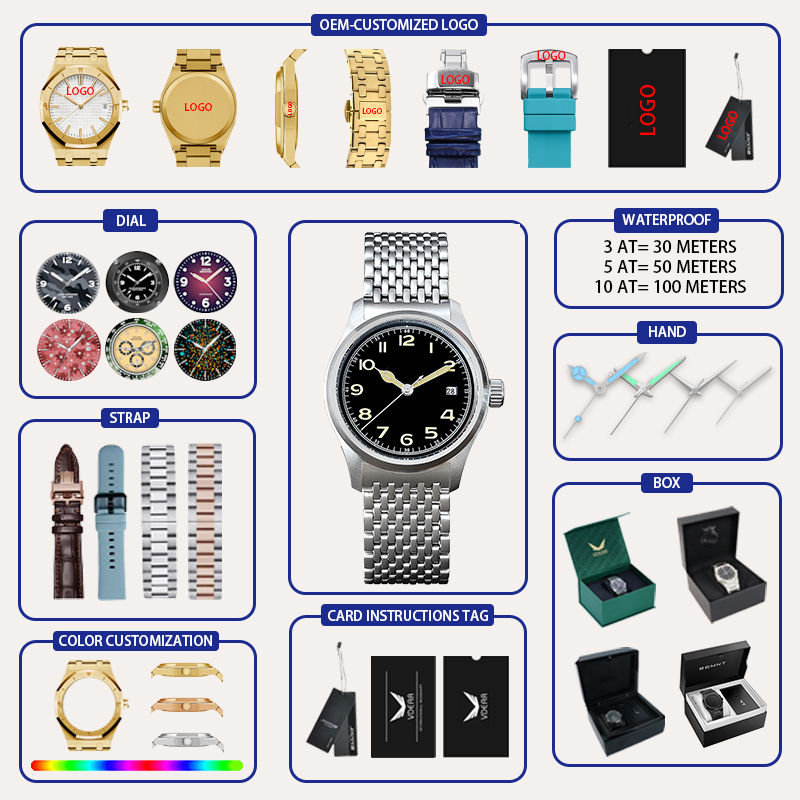
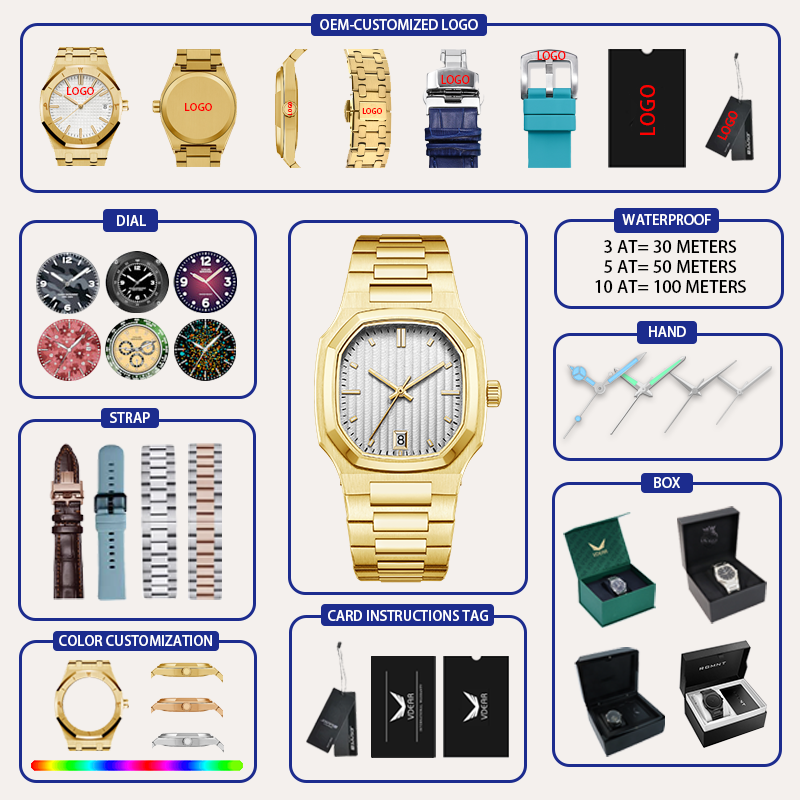
To ensure your luxury timepiece remains in top condition during the cold winter months, browse our carefully selected men's and women's watch collections, which combine exquisite craftsmanship and exceptional durability, suitable for year-round wear. At VDEAR Watch, we are committed to helping you properly care for your investment through professional advice and high-quality timepieces that match your personal style and the season's atmosphere. We also offer OEM Watch Design, which can fully customize your watch logo, watch strap, watch dial, etc.
VDEAR Watch has 15 years of experience in watch brand processing, bringing business opportunities to major domestic and foreign watch brands and brand entrepreneurs, and helping brands quickly win the market with exquisite watchmaking craftsmanship.
FAQs
1. What should I do if my watch gets wet during the winter?
If your watch gets wet, wipe it off gently with a soft cloth and leave it to dry in a dry, warm place. Avoid using heat sources like hairdryers or radiators, as extreme heat can damage the watch. If you suspect moisture has entered the case, take the watch to a professional watchmaker for inspection and possible servicing.
2. How can I protect my watch from condensation during temperature changes?
To protect your watch from condensation when moving between cold and warm environments, allow it to acclimatize to the new temperature gradually. Don't immediately expose your watch to direct heat after coming in from the cold. Let it warm up naturally to room temperature to prevent moisture buildup inside the case.
3. How often should I wind my mechanical watch in winter?
If you wear your mechanical watch regularly, winding it daily should be enough. However, if you don't wear it every day, it's a good idea to wind it once a week to keep the movement lubricated and functioning properly. This will ensure that the gears inside don’t dry out or become stiff during the cold months.
ReviewsNumber of comments: {{ page.total }}
I want to comment?
{{item.nickname ? (item.nickname.slice(0, 2) + '*****') : item.source === 1 ? 'mall buyer' : '--'}}
{{item.comment_time}}
Review in the {{item.country}}
Reviews
Merchant
{{replyItem.nickname ? (replyItem.nickname.slice(0, 2) + '*****') : replyItem.source === 1 ? 'mall buyer' : '--'}}
{{replyItem.parent_nickname ? (replyItem.parent_nickname.slice(0, 2) + '*****') : '--'}}
{{replyItem.is_merchant_reply === 1 ? replyItem.reply_time : replyItem.comment_time}}
Review in the {{replyItem.country}}
Reviews

No customer reviews
ReviewsNumber of comments: {{ page.total }}
I want to comment?
{{item.nickname ? (item.nickname.slice(0, 2) + '*****') : item.source === 1 ? 'mall buyer' : '--'}}
{{item.comment_time}}
Review in the {{item.country}}
Reviews
Merchant
{{replyItem.nickname ? (replyItem.nickname.slice(0, 2) + '*****') : replyItem.source === 1 ? 'mall buyer' : '--'}}
{{replyItem.parent_nickname ? (replyItem.parent_nickname.slice(0, 2) + '*****') : '--'}}
{{replyItem.is_merchant_reply === 1 ? replyItem.reply_time : replyItem.comment_time}}
Review in the {{replyItem.country}}
Reviews
No customer reviews
Recommended for You
Get in touch with us
Resources