


Table of Contents
Mechanical Watches Can Be Submerged? How to Choose A Mechanical Diving Watch?
2025-08-28
Although it's past the beginning of autumn, the temperatures remain high. As summer winds down, let's discuss diving mechanical watches.
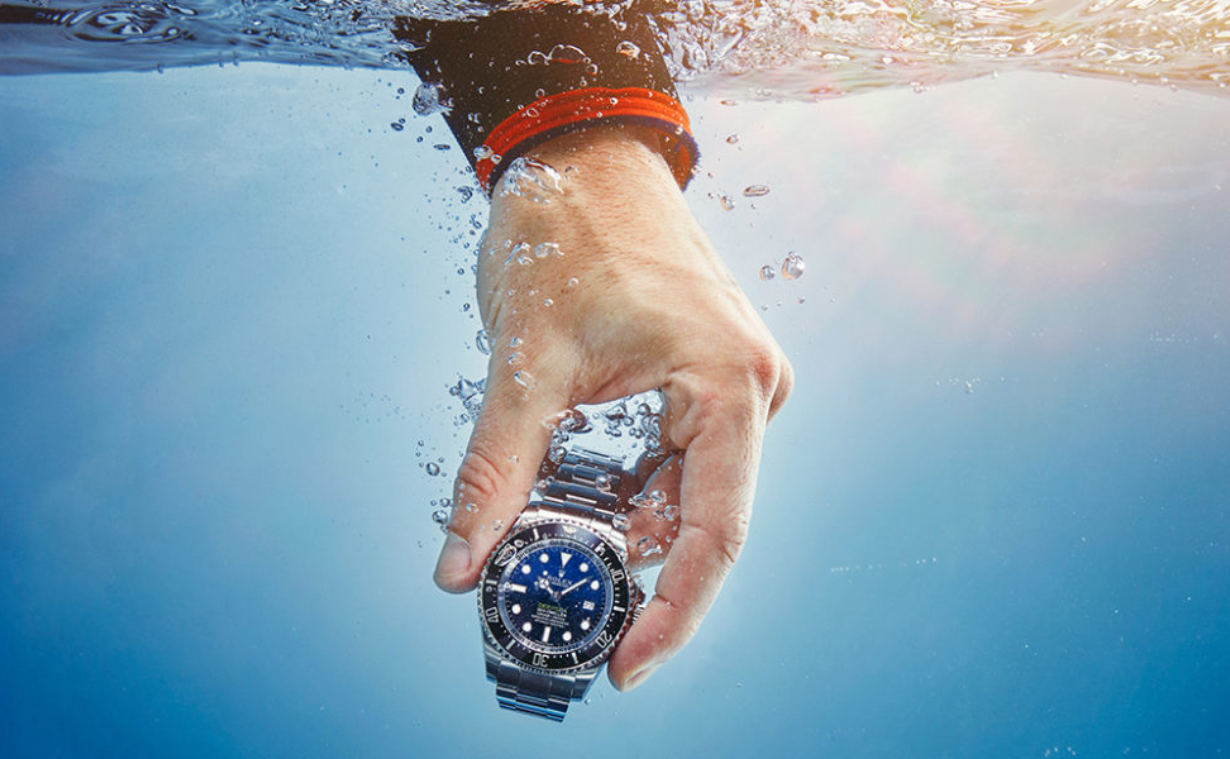
How did diving watches come about?
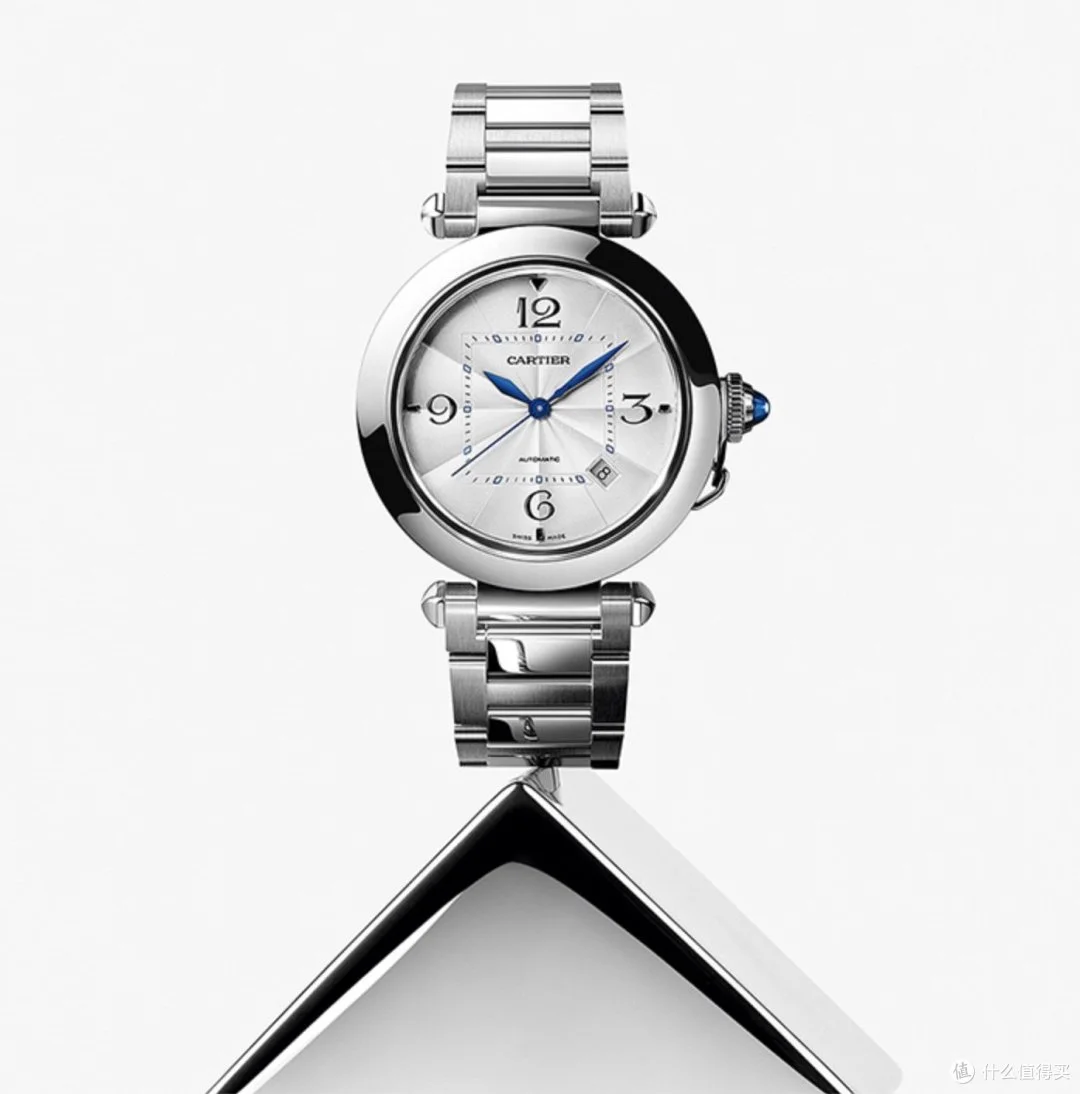
One day, Cartier received a commission from the Moroccan nobleman Pasha of Marrakesh to produce a timepiece that could tell time underwater, allowing the royal family to observe the time while bathing with their ladies-in-waiting. Thus, the waterproof Pasha watch was born. It may sound like a joke, but it's the truth.
Today, the Cartier Pasha series has evolved into this: a square within a circle, a circle within a square.
It was a marketing campaign orchestrated by Rolex that truly brought this type of watch to the forefront. In 1927, a female swimmer wore a Rolex Oyster watch while crossing the English Channel. After immersing herself in the sea for 15 hours and 15 minutes, it was said that the watch still kept time perfectly. At the time, the founder and owner of Rolex spent 40,000 francs to place an ad on the front page of the Daily Mail, and then, the watch became a hit.
How to Choose a Diving Watch?
Besides the hard data of a water-resistant depth of 100 meters, what other indicators should be considered when choosing a diving watch?
Indicator 1: Screw-down Crown
Must-Have Index: ★★★★★
Fashion Index: ★★
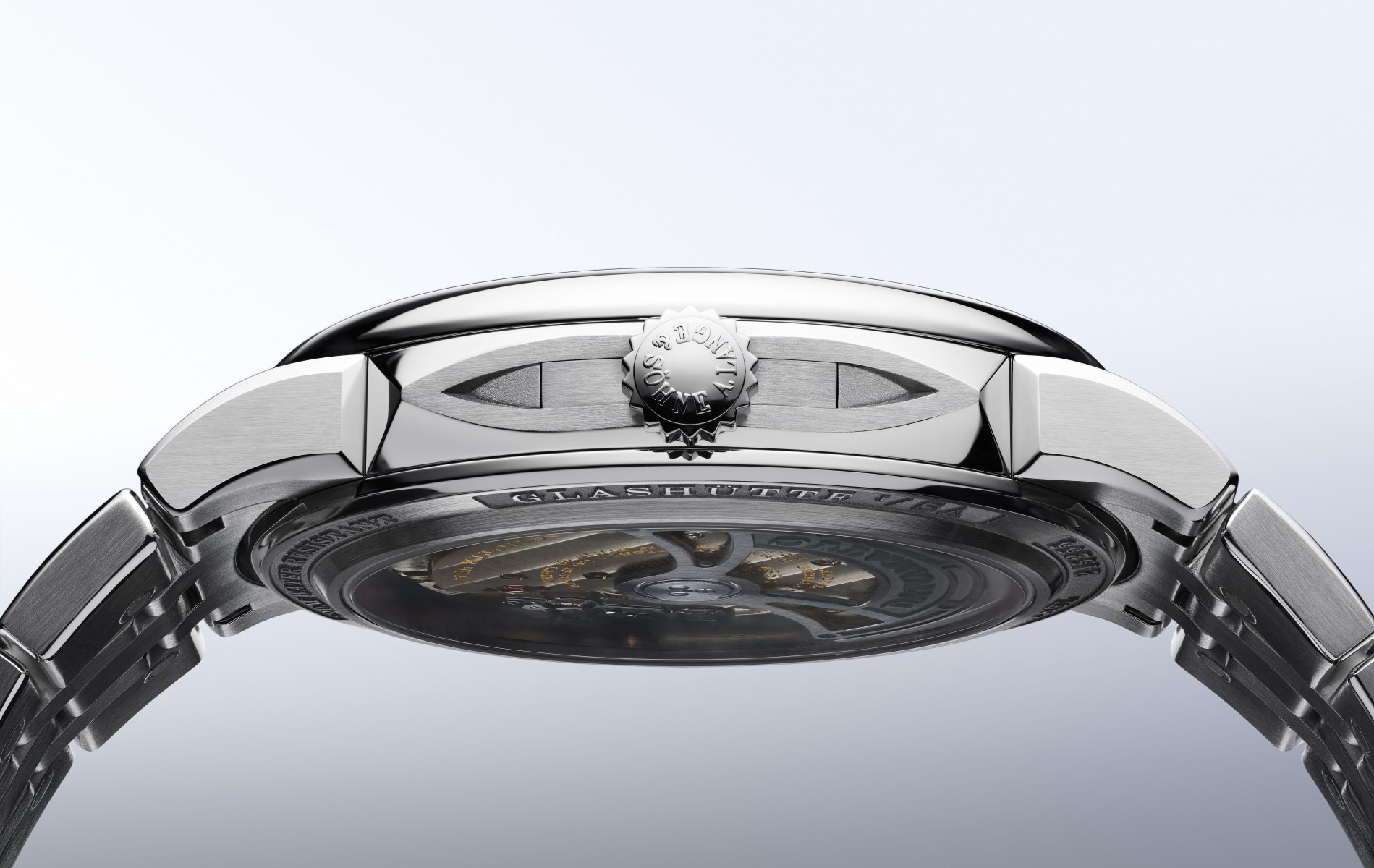
Looking at the entire watch, the crown is (most likely) the only component connecting the exterior to the movement, and it is also the part most susceptible to water ingress. While the crown of a regular watch can be adjusted simply by pulling it out, a screw-down crown requires first pushing it down and then turning it counterclockwise to adjust the time.
The principle behind a screw-down crown is to add a rubber waterproof ring at the crown joint. When the crown is screwed in, water is kept out of the watch, thus achieving waterproofing. Furthermore, a screw-down crown significantly reduces the chance of the crown being accidentally removed while the watch is underwater. However, the risk of a screw-down crown is wear and tear on the screw threads, which can reduce water resistance.
Indicator 2: Crown Guard
Must-Have Index: ★★
Style Index: ★★★★
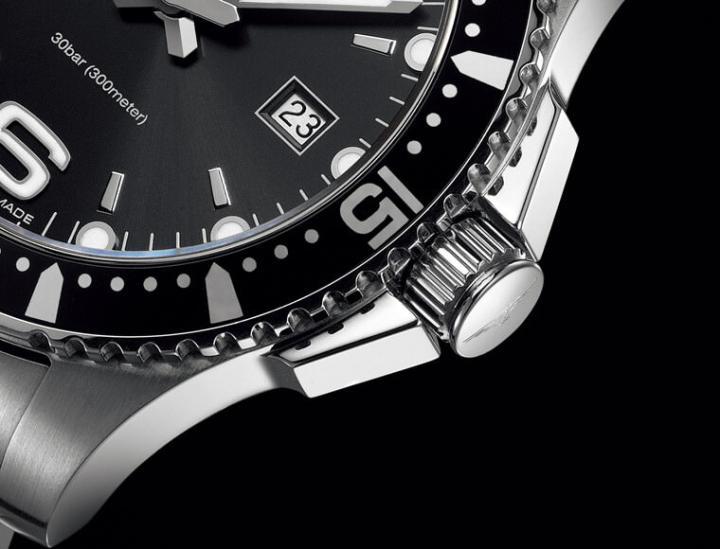
The crown guard is located on the outer ring of the crown. Take Panerai's Luminor series, for example, for example, because it's so iconic. It's a lever-like design. Pulling the lever down operates the crown. This component prevents the crown from being dislodged or damaged by external forces.
Indicator 3: Watch Case
Must-Have Index: ★★★★★
Style Index: ★★★
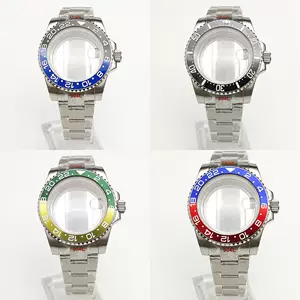
It's worth mentioning that most people love Rolex. The Rolex watch concept was inspired by the oyster. Rolex's strength lies in inventing the Oyster case, which is crafted from a single piece of metal. Combined with the screw-down cover and crown, this one-piece case construction ensures water resistance. Today, the Oyster case has undergone a complete redesign. It features Rolex's patented Ringlock system, a three-layered case structure that can withstand the pressure of deep water.
Indicator 4: Unidirectional Rotating Bezel
Must-Have Index: ★★★★★
Fashion Index: ★★★

For professional divers, this life-saving feature is a must-have and is closely linked to the oxygen tank's reserve level.
To put it simply: Generally, an oxygen tank's oxygen supply lasts for 45 minutes to 1 hour. Before a dive, align the bezel's zero mark with the current minute hand. This allows the diver to know their dive time without having to calculate the time; simply read the bezel. When the minute hand approaches the "0" mark on the bezel, the tank's oxygen limit has expired.
The bezel rotates only in one direction. This means that if the bezel is accidentally operated underwater, the remaining time displayed on the watch will be less than the actual time. This prevents the diver from endangering their life due to a lack of oxygen in their tank.
In addition, it's worth mentioning that the outer edge of the unidirectional rotating bezel is usually grooved (more noticeable when viewing the watch from the side). This increases friction when a diver is operating the watch while wearing gloves.
Indicator 5: Luminous Hour Hand
Must-Have Rating: ★★★★★
Style Rating: ★★★★
A mechanical watch with a built-in luminous hour hand features not only luminous hour markers and hands, but also a distinct luminous line visible on the crown guard. (This effect is even better when placed in a darkroom.)
Underwater visibility is far superior to that above water, so legibility is crucial! Dive watches are designed not only with large hour markers and hands, but also with luminescent coatings to ensure readability in the dark. A commonly used luminous material today is Super-LumiNova, which absorbs gamma-rays in light and then emits a continuous glow for 10 hours.
Indicator 6: Helium Escape Valve
Must-Have Rating: ★★
Style Rating: ★★★★★
Not all dive watches require helium escape, but if you want to show off your style, this feature is definitely a must. A helium escape function is particularly useful for professional divers who spend extended periods in high-pressure diving chambers. When a diver descends in a high-pressure diving chamber, helium leaks into the watch case, gradually equalizing the pressure inside with the external pressure. However, when the diver emerges from the chamber, the external water pressure decreases, allowing helium to escape from the high-pressure case. At this point, the watch's helium escape valve must be opened, otherwise the enormous pressure difference could cause the case to explode.
FAQ
Finally, let's focus on answering a few common questions you might have about diving mechanical watches.
Q1: Why can't a mechanical watch with a 30-meter water resistance be taken diving?
A1: Because water resistance does not equal diving depth.
Q2: What does a watch's 30-meter water resistance mean?
A2: "30-meter water resistance" means it's fine to wear in the rain, wash hands, or do housework. However, it's unwise to wear it in a swimming pool.
Q3: What happens if a mechanical watch with a 30-meter water resistance is taken diving?
A3: It's possible that a mechanical watch will get soaked in water. I'm not saying it will definitely get soaked, but the risk is relatively high. If you're not convinced, feel free to give it a try. If you do, let me know in the comments and we can arrange a review.
Q4: How do I determine if a mechanical watch is safe for diving (swimming)?
A4: Generally, it depends on the water resistance depth, though some brands may also refer to it as "diving depth."
Q5: How many meters of water resistance does a mechanical watch need to be for diving (swimming)?
A5: A water resistance of 100 meters or more qualifies as a dive watch.
Q6: How do I determine 100 meters? Can I tell by looking at it?
A6: Partially. The water resistance depth is usually indicated on the dial or on the back of the watch.
Q7: Can I wear a dive watch in a sauna or bath?
A7: No, no matter what watch you wear, you can't wear it in a bath or sauna because it's not steamproof.
ReviewsNumber of comments: {{ page.total }}
I want to comment?
{{item.nickname ? (item.nickname.slice(0, 2) + '*****') : item.source === 1 ? 'mall buyer' : '--'}}
{{item.comment_time}}
Review in the {{item.country}}
Reviews
Merchant
{{replyItem.nickname ? (replyItem.nickname.slice(0, 2) + '*****') : replyItem.source === 1 ? 'mall buyer' : '--'}}
{{replyItem.parent_nickname ? (replyItem.parent_nickname.slice(0, 2) + '*****') : '--'}}
{{replyItem.is_merchant_reply === 1 ? replyItem.reply_time : replyItem.comment_time}}
Review in the {{replyItem.country}}
Reviews

No customer reviews
ReviewsNumber of comments: {{ page.total }}
I want to comment?
{{item.nickname ? (item.nickname.slice(0, 2) + '*****') : item.source === 1 ? 'mall buyer' : '--'}}
{{item.comment_time}}
Review in the {{item.country}}
Reviews
Merchant
{{replyItem.nickname ? (replyItem.nickname.slice(0, 2) + '*****') : replyItem.source === 1 ? 'mall buyer' : '--'}}
{{replyItem.parent_nickname ? (replyItem.parent_nickname.slice(0, 2) + '*****') : '--'}}
{{replyItem.is_merchant_reply === 1 ? replyItem.reply_time : replyItem.comment_time}}
Review in the {{replyItem.country}}
Reviews
No customer reviews
Recommended for You
Get in touch with us
Resources